OUGD504 - To Do List (Studio Workshop)

Below is a compiled list of questions from today's studio session. They are both questions I thought of, as well as a few which people in the class would like answers to. 
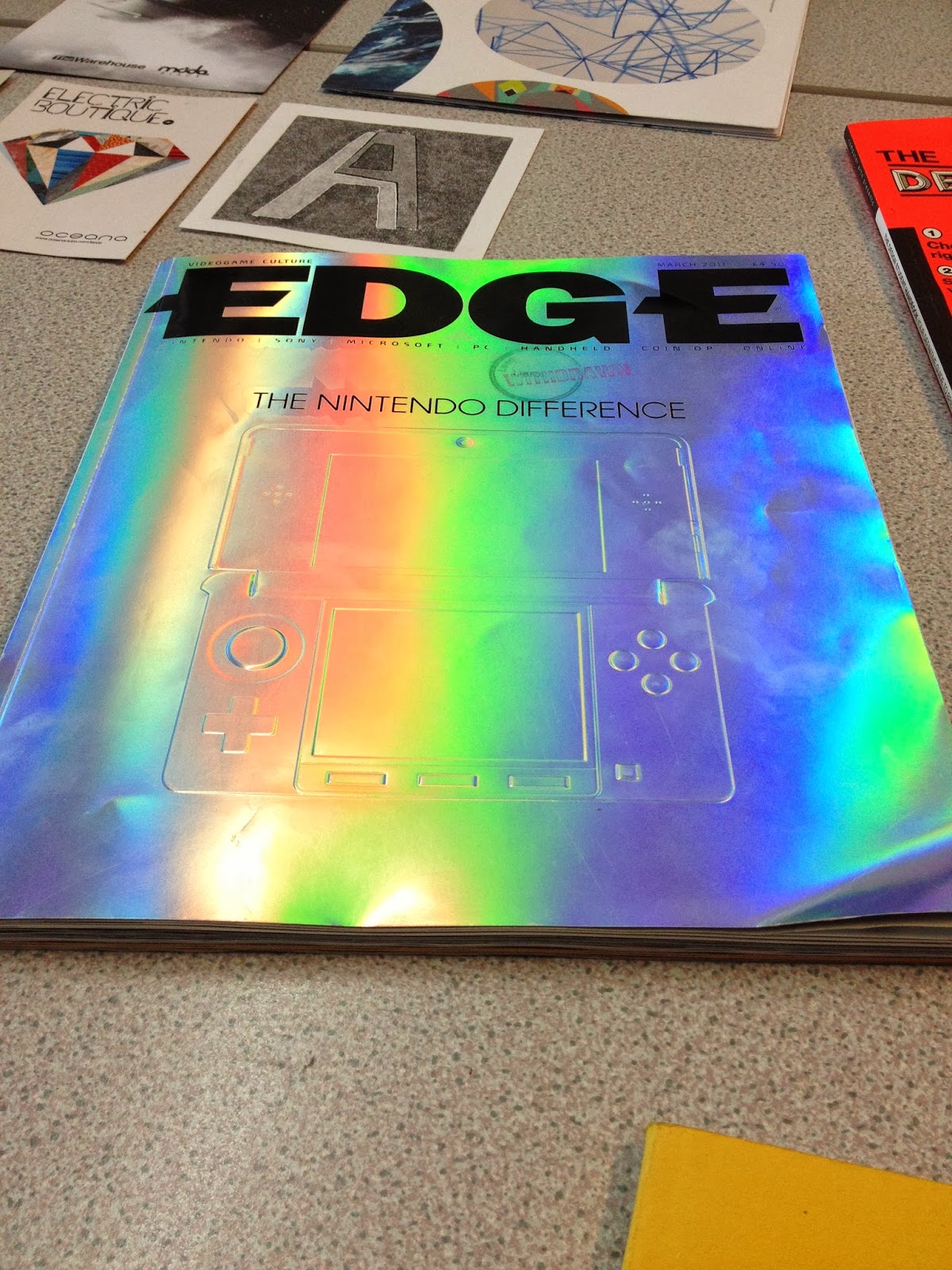
1. What process was used to create the effect on the cover below? 


2. How are CD's Printed?

3. How can you print white digitally?

4. How does the process of spot varnishing work? 

5. How do you print luminous colours digitally? (see below)


6. How are hard back books produced at mass? Are they hand made or machined?

7. What is the difference between bespoke production and short run?

8. How do you make your own ink?

9. How do you print onto napkins without the ink bleeding and being absorbed?

10. How does Pad Printing work?

11. How can you tell if something has been Die Cut or Laser Cut?

12. How do you produce foiling at high quality?

OUGD504 - Design for Print (2) - Studio Workshop

Morning Session

Group Work


What is format?

- scale
- something physical eg, a magazine or billboard etc
- function
- context

The format is the physical object that has been designed.

What is colour?


- RGB & CMYK
- processes eg, flourescent inks
- connotations of colour eg, different cultures
- colour harmony / theory

Colour is considered for both function and connotation.

What is production?


- physical production eg, paper cut, book binding, etc
- can be more of a craftsmanship / skill

- possibly more broad than processes
- bringing all the elements together, a final part? 
Production is bringing all the elements together, and finalising a design. 

What is a process?


- stamping, embossing, screen printing, collagraphing, etc
- a process of printing
- mostly to do with print

- process: The entire project of designing, from start to finish. Processes: 
Processes are mostly related to printing, and how the ink is transported onto the stock.

What is a finish?


- spot varnish, foiling, etc
- considered before print, but the last thing you do to finish the design
- helps to makes something seem like it is of a higher quality if a good finish has been added

The finish is something added at the end of a design to make it seem more "high-end", determined by stock, cost & target audience. 

What is stock?


- types of material to be printed onto eg, paper, card, tracing paper, plastic, wood, etc

The stock is the material which you print on to.


As a Class Definition: 

Format: Scale, size & context
Colour:  Colour modes, hues, function
Production: 'the actual making', finalised
Process: The method
Finishing: Post - print alterations, production + process
Stock: Substrates for printing (considerations, eg. cost + audience)

Objective of Session

The above definitions seem to be a much bigger field than what's in front of you. It seems many of the definitions are interlinked, e.g. Production & Process. Both cost & audience is a consideration for everything. 


Afternoon Session

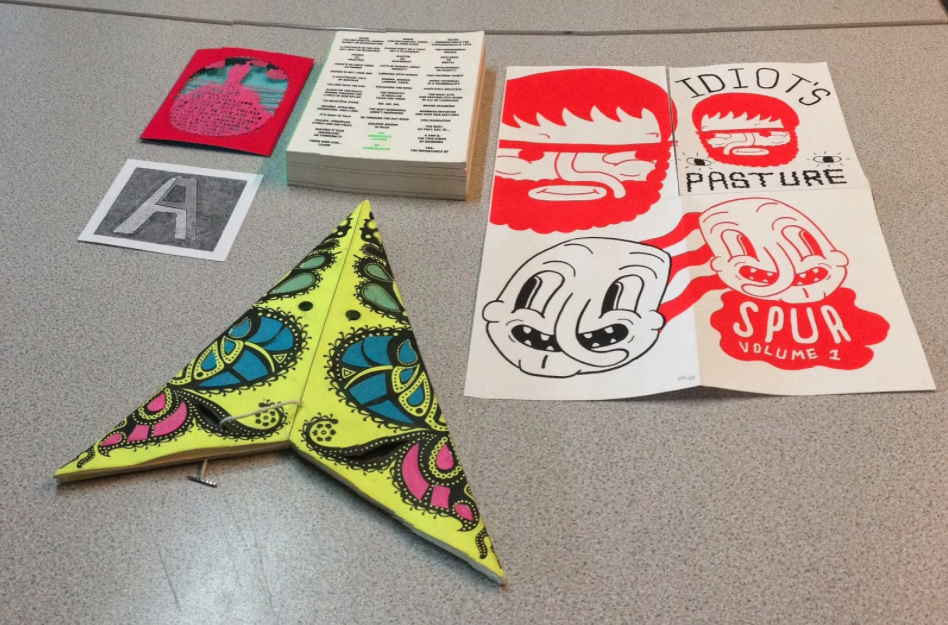
The next workshop task was after lunch. We had been asked to bring in 5 'things' that were printed on. 

The 5 Objects I Brought In:


My table's objects: 


Task

Our examples, arranged in into an order of....

FORMAT


Below I have labelled a photo, with each format working with a key: 


1. Flyers
2. Labels
3. Business Cards
4. Leaflets
5. Books
6. Magazines
7. Bags
8. Packaging
9. Acetate Projection
10. Lampshade
11. Greeting Card
12. CD Rom
13. Posters

COLOUR


One Colour (Plus Stock):


Two Colours (Plus Stock):


The rest of the items were CMYK, meaning 4 colour. 


PRODUCTION


Mass Produced: 


Short Run: 


Bespoke: 


PROCESS

Monoprint:


Spot Varnishing: 


Embossing: 


Laser Cut: 


Screenprint:


Digital Print: 


COST
 Cheapest to Most Expensive (Left to Right): 


BRANDING & IDENTITY


INFORMATION & WAY- FINDING


PACKAGING & PROMOTION


PUBLISHING & EDITORIAL


OUGD504 - Design for Print - Initial Workshop

We worked as a group to answer the following questions: 

Part 1

What is Design For Print?

Colour Mode - (CMYK instead of RGB)

Mockups & Prototypes 

An Importance of Knowing The Outcome - Designing knowing how it will be printed. 

Print Marks - Crop Marks, Registration Marks Etc... 

Working with Pantone Swatches - Considering colour. 

Something Physical - A physical object

Mass Production - Cost of Print?

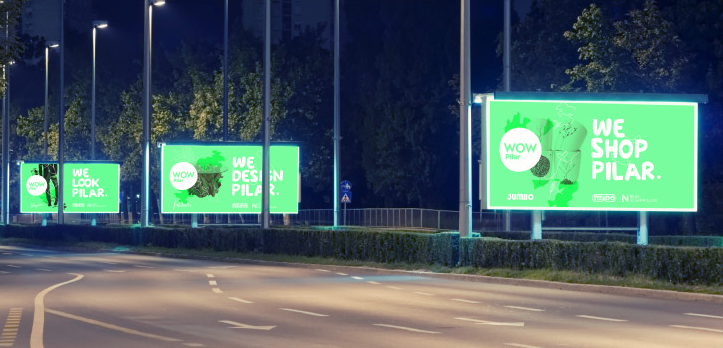
Format / Scale - Will it be used on a billboard, or smaller scale? 

Books, Posters, Mail Shots, Letterheads, Business Cards, Stickers Etc...

High Relevance of Context - Where will a poster be positioned to target it's audience? 

Production Processes - Consideration on the process, e.g. Spot Varnish, Screen Print, Foiling....

Materials - Printing on canvas could differ to printing on paper, and choice of stock. 

Composition - Things can look completely different on screen to off screen. 

Keeping up with technology - Printing (although some things haven't changed) is ever changing. 


Printed information is finite. Websites can be changed. 

An overall summary:
External information applied / transferred onto a specific surface / surfaces. Consider process, scale & purpose. 

Can you sum it up? 

We struggled to come up with a summarised explanation of the question. There is a multitude of things that are involved, there are too many variables. 

Below is Phil's List of What Defines Design For Print: (As a task I have also added 2 examples for each). 

Format 


Format: Magazine


Format: Billboard

Colour


 Colour (Mode): RGB

Colour (Mode): CMYK


Production


Production: Book Binding

Production: Laser Cutting

Processes 


Process: Stamp Production & Printing


Process: Screenprinting

Finishing


Finishing: Spot Varnish

Finishing: Gold Foiling

Stock


Stock: Textured, High GSM Cream Card

Stock: Newspaper (A much lower GSM)

-
Part 2 

Identify as many different processes for print:

Screen Printing

Spot Varnishing

Foiling

Embossing

Laser Cut

3D Printing

Etching 

Metal Type Press

Wood Block Press

Lino Cutting

Lithograph

Collograph Printing

Laser Printing


Ink Jet Printing

Stamps
Vinyl Cut

Mono Printing

Risograph Printing
What processes would I like to learn / use? 

Screen Printing

Spot Varnishing

Embossing

Laser Cut

3D Printing

Etching 

Lithograph

Collograph Printing

Laser Printing


Ink Jet Printing

Stamps
Vinyl Cut

Mono Printing

For next week, bring in 5 examples of print. Things that are good and bad, not just paper stock. 
 

Copyright 2010. All rights reserved.

RSS Feed. This blog is proudly powered by Blogger and uses Modern Clix, a theme by Rodrigo Galindez. Modern Clix blogger template by Introblogger.